The speaker
Drivers, cabinet geometry and crossover decisions shape the sound at its source.
The art and science of sound
Between the loudspeaker, the room and the person listening. Understanding that relationship can change what you hear—before you change a single component.
Try the listening guide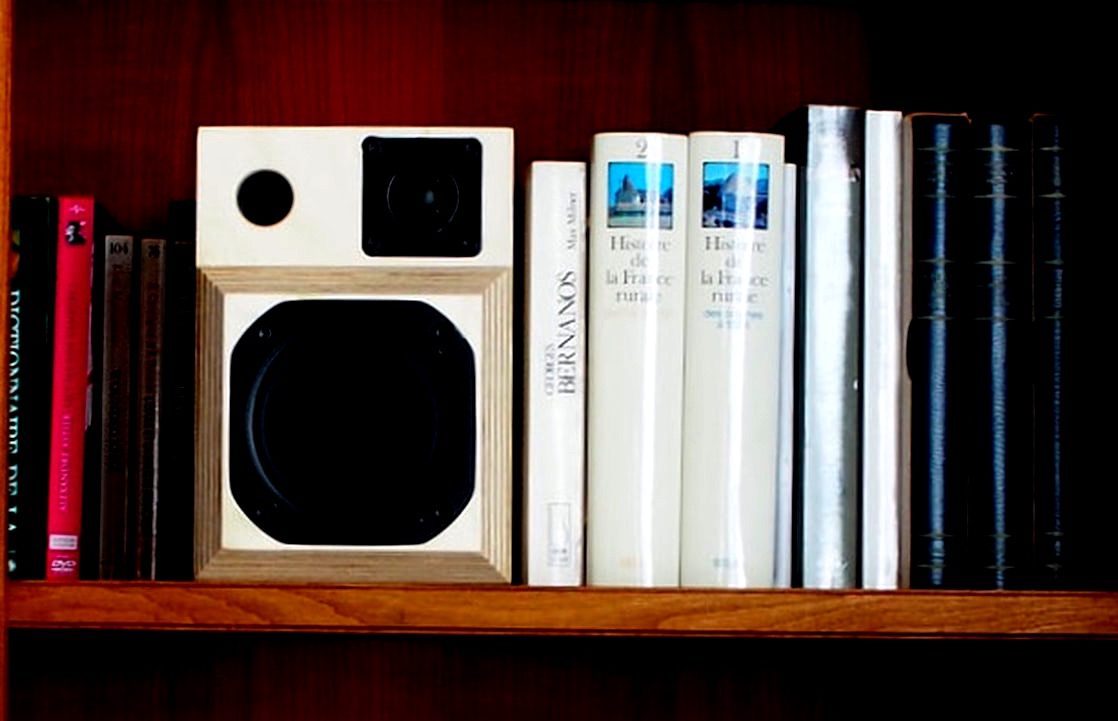
A way to listen
A specification can describe a speaker. It cannot describe everything that happens when it plays in your room.
Microphase’s listening guide asks you to notice timing, placement and coherence: whether a voice feels present, bass belongs to the rhythm, and the instruments make sense together. These are things you can explore with a system you already own.
Three parts of one experience
Drivers, cabinet geometry and crossover decisions shape the sound at its source.
Walls, furniture and placement change the sound before it reaches you.
Your position and listening height affect how the whole image comes together.
Listen for yourself
Use a familiar recording and change one thing at a time. There is no “correct” result to report—just a chance to hear what your room and setup are doing.
Play a track with steady bass. Move each speaker forward or backward by about 5–10 cm, then listen again from your usual seat.
Listen for: whether bass becomes tighter and easier to follow, rather than simply louder.
Sit a little higher or lower than usual. A cushion is enough for a quick comparison.
Listen for: whether the voice feels more focused and the soundstage settles into place.
Return to your normal seat, play the same passage, then lower the volume more than you normally would.
Listen for: whether balance and musical expression remain clear without the excitement of sheer loudness.
The engineering follows the listening
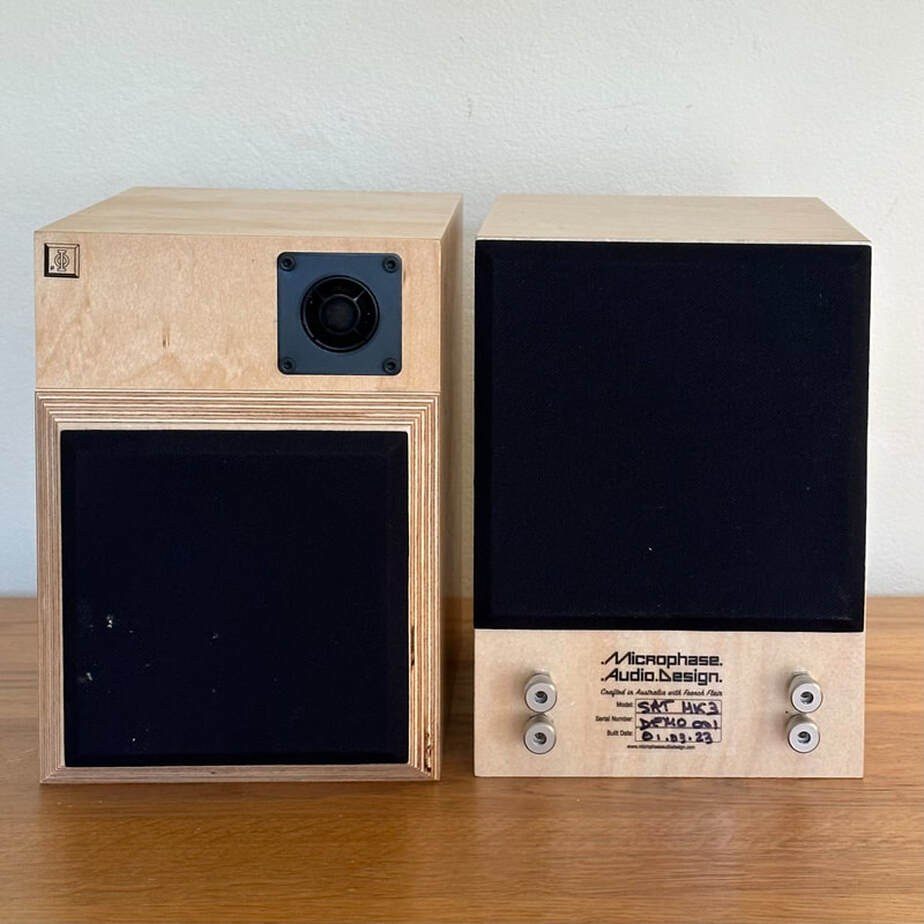
The SAT MK3.3 is one example of how Microphase approaches that goal. Its published design notes describe a stepped baffle for tweeter and midrange alignment, specially chosen drivers and crossover work that brings them together.
The point of these decisions is not to make the parts call attention to themselves. It is to let music feel like one connected event.
Explore SAT MK3.3The final test
Measurements help explain a design. Listening tells you how it feels in your space.
Arrange a listening sessionThis page draws on Microphase’s published “Hidden Truth About Sound” listening guide and its SAT MK3.3 design notes. The listening tests are invitations to compare, not promises of a particular result.